Nevsehir
Fairy chimneys & hot air balloons
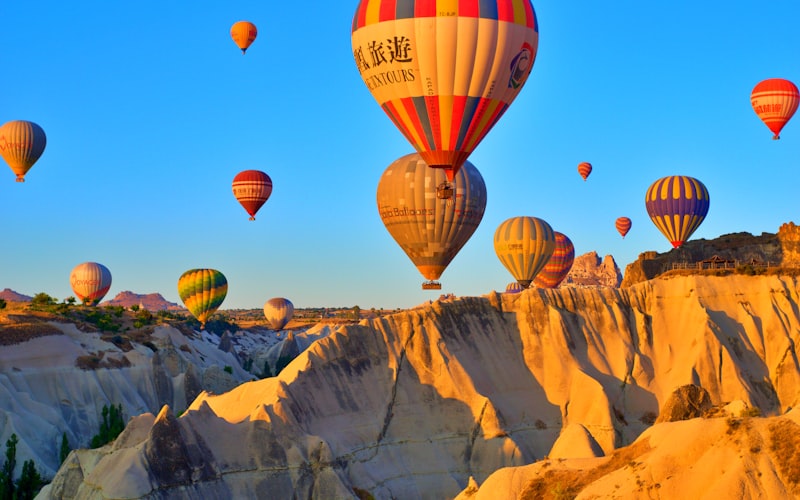
Nevsehir is the gateway to Cappadocia, one of the most surreal landscapes on Earth. Imagine recovering from your treatment while watching hot air balloons float over fairy chimneys at sunrise. An unforgettable experience that combines wellness with wonder.
Nevsehir is the gateway to Cappadocia, one of the most extraordinary landscapes on Earth. Located in the heart of Turkiye's Anatolian plateau, this region is famous for its surreal rock formations — towering fairy chimneys, undulating valleys of sculpted stone, and entire cities carved underground by ancient civilisations fleeing persecution. The landscape was shaped over millions of years by volcanic eruptions from the nearby Erciyes, Hasan, and Gullu mountains, which blanketed the region in soft tuff rock. Wind and water then sculpted this rock into the fantastical shapes that make Cappadocia one of the most photographed places in the world. But Cappadocia is more than just scenery. It is a region of profound historical significance — early Christians carved churches, monasteries, and entire underground cities into the soft rock, creating one of the most remarkable examples of troglodyte architecture anywhere on Earth. Today, many of these cave structures have been transformed into boutique hotels, restaurants, and art galleries, offering visitors the unique experience of sleeping in a cave that may be thousands of years old. For medical tourists, Cappadocia offers something no other destination can match: the chance to recover from your treatment in one of the most awe-inspiring settings imaginable.
Places to explore in Nevsehir
Discover the landmarks, attractions, and hidden gems that make Nevsehir an unforgettable destination.
Hot Air Balloons over Fairy Chimneys
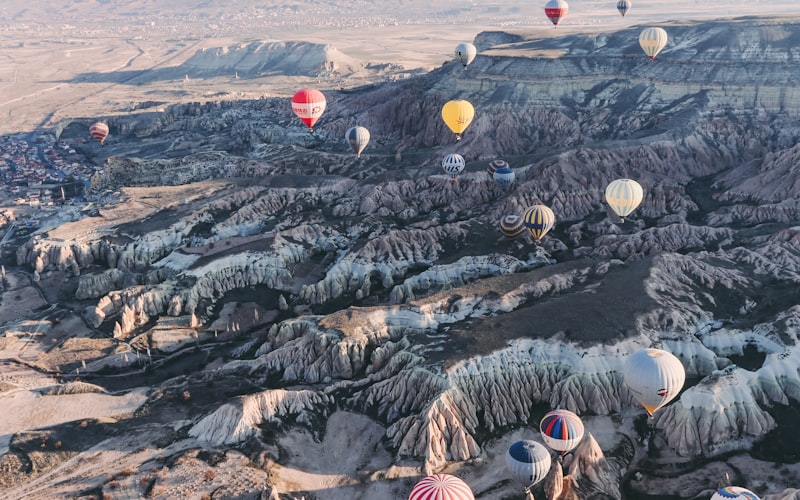
A hot air balloon flight over Cappadocia is consistently rated as one of the top travel experiences in the world, and it's easy to understand why. Each morning before dawn, hundreds of colourful balloons inflate and rise over the fairy chimney landscape, creating a spectacle that is nothing short of magical. The flight typically lasts about an hour, during which you'll float silently over valleys of sculpted rock, ancient cave churches, and vineyard-covered hillsides, all bathed in the golden light of sunrise. On a clear morning, you can see for miles across the Anatolian plateau to the snow-capped peak of Mount Erciyes. The pilots are highly skilled, often descending into narrow valleys so close to the fairy chimneys that you feel you could reach out and touch them, before rising again to take in the panoramic views. Flights take place daily, weather permitting, and operate year-round. Booking in advance is essential as they sell out quickly. Even if you don't fly yourself, watching the balloons from a hotel rooftop terrace at sunrise — with a cup of Turkish tea in hand — is one of the most memorable sights in all of Turkiye.
Goreme Open Air Museum
The Goreme Open Air Museum is a UNESCO World Heritage site and one of the most important monastic complexes in the world. Carved into a cluster of fairy chimneys in the Goreme Valley, this remarkable site contains more than 30 rock-cut churches and chapels, many decorated with stunning Byzantine frescoes that date from the 10th to 12th centuries. The most famous is the Karanlik Kilise (Dark Church), whose frescoes have been preserved in remarkable condition due to the lack of light inside the cave — the colours are still vivid and detailed after nearly a thousand years. Other notable churches include the Tokali Kilise (Buckle Church), the largest in the complex, and the Elmali Kilise (Apple Church). The site was established as a monastic community in the 4th century AD, when early Christians — fleeing Roman persecution — found refuge in Cappadocia's soft rock formations, which were easy to carve but provided excellent shelter and concealment. Walking through the museum, you can explore the churches, refectories, and living quarters that made up this ancient monastic community, gaining a vivid sense of what life was like for these early Christian communities.
Underground Cities
Beneath the surface of Cappadocia lies an astonishing hidden world. The region is home to more than 200 underground cities, carved deep into the soft volcanic rock by ancient civilisations seeking protection from invaders. The two most impressive and accessible are Derinkuyu and Kaymakli. Derinkuyu is the deepest, extending approximately 85 metres underground across eight levels — though some archaeologists believe there may be more levels yet to be discovered. The city could shelter up to 20,000 people along with their livestock and food stores, and included ventilation shafts, water wells, kitchens, storage rooms, wine presses, and even a church and a school on the lowest level. The engineering is remarkable: massive stone doors, weighing up to 500 kilograms, could be rolled across the entrances from the inside, sealing the city against attackers. Kaymakli, just 10 kilometres away, is less deep but more extensive, with wider tunnels and more developed living spaces. Walking through these underground cities is a humbling experience — the ingenuity and determination of the people who carved them, and the conditions they must have endured, give you a profound appreciation for human resilience. The tunnels can be narrow and steep in places, so comfortable shoes and a sense of adventure are recommended.
Available treatments
Best time to visit
April–June and September–November for pleasant temperatures
Airport
Nevsehir Kapadokya Airport (NAV) or Kayseri Airport (ASR)
Free cancellation before 15 days
Medical tourism in Nevsehir
While Cappadocia is primarily known as a tourist destination rather than a medical tourism hub, the region does have dental and aesthetic clinics that serve both locals and visitors. Nevsehir, as the provincial capital, has the most developed medical infrastructure. For patients who have had their primary procedure in Istanbul or Antalya, Cappadocia makes an extraordinary post-treatment recovery destination. Many patients book their treatment in a major city and then fly to Cappadocia for several days of recovery in a luxury cave hotel. The clean mountain air (at an altitude of about 1,000 metres), the peaceful pace of life, and the incredible scenery create an environment that promotes both physical and mental healing. The region is easily accessible via two airports — Nevsehir Kapadokya Airport (NAV) and Kayseri Airport (ASR) — with regular flights from Istanbul.
Culture & history
Cappadocia's cultural heritage is extraordinary and spans thousands of years. The region was one of the earliest centres of Christianity, and the rock-cut churches and monasteries of Goreme, many decorated with vivid Byzantine frescoes dating from the 9th to 12th centuries, are UNESCO World Heritage sites. The underground cities — particularly Derinkuyu and Kaymakli — are engineering marvels that could shelter thousands of people for months at a time, with ventilation shafts, water wells, food storage areas, and even churches carved deep into the rock. The Seljuk and Ottoman periods left their mark too, with beautiful caravanserais (medieval roadside inns) and mosques scattered across the landscape. Today, Cappadocia has a thriving arts and crafts scene, with workshops producing traditional pottery (particularly in Avanos, which has been a pottery centre for thousands of years thanks to the red clay from the Kizilirmak River), handwoven carpets, and onyx stone carvings. The region also hosts several annual festivals and cultural events, including the International Cappadocia Music Festival and various hot air balloon events.
Food & cuisine
Cappadocian cuisine reflects the hearty traditions of central Anatolia, with dishes designed to sustain people through cold winters on the high plateau. The region is famous for its pottery kebab (testi kebab) — a stew of meat, tomatoes, peppers, and garlic slow-cooked in a sealed clay pot, which is dramatically broken open at the table. Manti (Turkish dumplings filled with spiced meat and served with yoghurt and garlic sauce) are a beloved local staple. The region's pastirma (air-dried cured beef) and sucuk (spiced sausage) are among the best in Turkiye. Breads are exceptional here — flatbreads baked in tandır ovens, topped with local cheese and herbs. Cappadocia has also emerged as one of Turkiye's most exciting wine regions, with several boutique wineries producing excellent wines from local grape varieties. The volcanic soil and continental climate create ideal conditions for winemaking, and wine tasting at a cave winery surrounded by fairy chimneys is an unforgettable experience. Local fruits — particularly apricots, grapes, and peaches — are exceptionally flavourful, and the region's thick, creamy kayisi pestili (dried apricot leather) is a popular souvenir.
Where to stay
Accommodation in Cappadocia is unique in the world. Cave hotels — genuine rock-cut rooms that have been transformed into luxurious suites — offer an experience found nowhere else. Properties range from simple, charming cave pensions to ultra-luxury establishments with private terraces overlooking the fairy chimney landscape. The most sought-after hotels are in Goreme, Uchisar, and Urgup. Uchisar, perched on a rocky hill with panoramic views, is home to several of the region's finest hotels. Goreme, at the heart of the open-air museum area, offers the widest range of options and the most atmospheric setting. Urgup is slightly larger and more modern, with excellent restaurants and wine bars. Many cave hotels feature hammams (Turkish baths), infinity pools with valley views, and rooftop terraces where you can watch the sunrise balloon flights while enjoying breakfast. Booking in advance is strongly recommended, especially during peak seasons.
Getting around
Cappadocia's attractions are spread across a wide area, so having your own transport is helpful. Car rental is available at both airports and in the main towns. Alternatively, many hotels arrange tours and transfers for their guests, and there are numerous tour operators offering day trips to all the major sites. For a more active experience, the valleys between the fairy chimneys offer wonderful hiking — the Rose Valley, Red Valley, Pigeon Valley, and Ihlara Valley all have well-marked trails of varying difficulty. Horseback riding is another popular way to explore the landscape (the name Cappadocia is believed to come from the ancient Persian for 'Land of Beautiful Horses'). Bicycles and ATVs are also available for rent in Goreme.
Recovery in Cappadocia
Cappadocia offers a truly unique recovery experience. The clean mountain air, peaceful atmosphere, and awe-inspiring scenery create an environment that is genuinely healing — both physically and spiritually. After your procedure, you can spend your days relaxing on the terrace of your cave hotel, watching the play of light and shadow across the fairy chimney landscape as the day progresses. The region's gentle hiking trails are perfect for light post-treatment exercise, and the local cuisine is hearty and nourishing. Many cave hotels offer hammam (Turkish bath) experiences, which can be wonderfully relaxing during recovery. The sense of wonder that Cappadocia inspires — the feeling of being somewhere truly extraordinary — can have a profoundly positive effect on your mindset during the healing process. Patients who recover here often describe the experience as transformative, returning home not only with the results of their treatment but with a sense of having experienced something truly special.
Valleys and Hiking
Cappadocia is crisscrossed with valleys that offer some of the most spectacular and unusual hiking in the world. The Rose Valley (Gulludere) gets its name from the pink-hued rock formations that glow especially brightly at sunset. The trail winds between fairy chimneys and past rock-cut churches with ancient frescoes still visible on their walls. The Red Valley (Kizilcukur) is famous for its vivid red and orange rock formations and its excellent sunset viewpoint. Pigeon Valley (Guvercinlik Vadisi), connecting Goreme to Uchisar, is named for the thousands of pigeon houses carved into the rock face — pigeons were historically kept for their droppings, which were used as fertiliser for the vineyards. The Ihlara Valley, about an hour's drive from Goreme, is a dramatic 14-kilometre gorge carved by the Melendiz River, with rock-cut churches, lush vegetation, and riverside walking trails. Love Valley, with its tall, phallic rock formations, is one of the most photographed spots in the region. All of these valleys are accessible for hikers of varying abilities, with trails ranging from easy flat walks along valley floors to more challenging routes that climb between fairy chimneys and ridge lines.
Nevsehir at a glance
Travel tip
Stay in Goreme or Uchisar for the best views and cave hotel options. Book your balloon ride in advance as they sell out quickly.
Ready to visit Nevsehir?
Book your treatment in Nevsehir today. Hotel and transfers included. Free cancellation before 15 days.
View packages