
Trabzon
Green mountains meet the Black Sea
Trabzon sits on the lush Black Sea coast, surrounded by emerald green mountains and misty highlands. It's home to the dramatic Sumela Monastery and some of Turkiye's most beautiful alpine scenery — a refreshing alternative to the sunny south.
Trabzon is a city unlike any other in Turkiye. Perched on the steep, lush Black Sea coast in the country's northeast, it is a place of emerald green mountains, misty highlands, and a culture that feels distinctly different from the rest of the country. While most visitors to Turkiye head for the sunny Mediterranean or Aegean coasts, Trabzon offers a completely different experience — one of cool mountain air, dense tea plantations, ancient monasteries clinging to cliff faces, and some of the heartiest, most comforting food in the country. The city has a long and fascinating history as a key point on the ancient Silk Road and as the capital of the Trebizond Empire, a Byzantine successor state that survived for over 250 years after the fall of Constantinople. Today, Trabzon is a busy university city with a strong sense of local identity, passionate football fans (Trabzonspor is one of Turkiye's most successful clubs), and a warm, welcoming culture that makes visitors feel immediately at home.
Places to explore in Trabzon
Discover the landmarks, attractions, and hidden gems that make Trabzon an unforgettable destination.

Sumela Monastery
The Sumela Monastery (Sumela Manastiri) is one of the most dramatically sited buildings in the world. Clinging to the sheer face of a cliff at an altitude of about 1,200 metres, in the Altindere Valley of the Pontic Mountains, this Greek Orthodox monastery looks like something from a fantasy novel. Founded in 386 AD, according to tradition by two Athenian monks who were guided to the site by an icon of the Virgin Mary, the monastery has been expanded and rebuilt over the centuries. The complex includes a church, chapels, student rooms, a library, and a sacred spring, all carved into or built against the cliff face. The church interior is decorated with vivid frescoes dating from the 9th to the 19th century, depicting scenes from the Bible and the life of Christ. The monastery was abandoned in 1923 during the population exchanges between Greece and Turkiye, and fell into disrepair. After years of restoration, it has been reopened to visitors and is one of Turkiye's most popular tourist attractions. The approach to the monastery is through a beautiful forest of spruce, pine, and rhododendron — a gentle uphill walk that takes about 40 minutes and builds anticipation for the dramatic reveal of the monastery above.
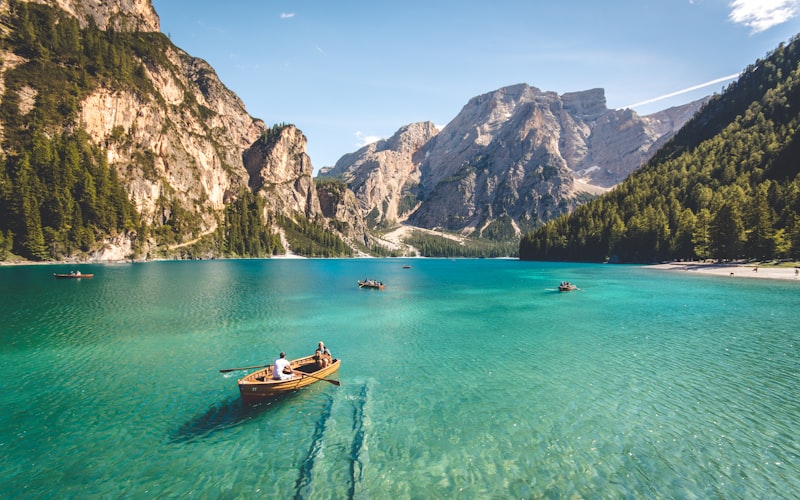
Uzungol Lake
Uzungol (Long Lake) is a stunningly beautiful mountain lake located about 100 kilometres southeast of Trabzon, nestled in a deep valley surrounded by dense forest and soaring green mountains. The lake was formed by a landslide that dammed a mountain stream, creating a tranquil body of water that reflects the surrounding peaks and forest in its still surface. The small village on the lake shore has become one of the most visited destinations in the Black Sea region, with traditional wooden lodges, trout restaurants, and walking trails around the lake and into the surrounding highlands. In summer, the alpine meadows above the lake burst with wildflowers, and the misty mornings create an ethereal atmosphere that photographers find irresistible. The best time to visit is early morning or late afternoon, when the light is soft and the crowds are thinner. A walking trail circles the lake in about an hour, offering changing perspectives of the mountains, forest, and water. In the surrounding highlands, you can visit traditional yayla (summer pasture) villages where families still spend their summers tending cattle and making cheese in the mountain air.

Black Sea Tea Plantations
The hillsides around Trabzon and the wider Black Sea coast are carpeted with lush green tea plantations that create one of the most distinctive landscapes in Turkiye. Tea was introduced to the region in the 1930s as part of Ataturk's modernisation drive, and it has since become the backbone of the local economy and culture. The tea gardens climb steeply up the hillsides in neat, emerald-green terraces, often shrouded in the mists and gentle rains that give the region its distinctive lush character. Visiting a tea plantation is a wonderful experience — you can learn about the harvesting process (the fresh, bright green tips of the plants are picked by hand, usually by women, between May and October), watch the processing in local factories, and of course taste freshly brewed tea. Turkish tea is served in distinctive tulip-shaped glasses and is an integral part of social life throughout Turkiye, but nowhere more so than here in its homeland. Sitting in a tea garden overlooking the misty hillsides, sipping a glass of deep red, aromatic tea, is one of the most peaceful and authentic experiences you can have in Turkiye.
Available treatments
Best time to visit
June–September for highland visits
Airport
Trabzon Airport (TZX)
Free cancellation before 15 days
Medical tourism in Trabzon
Trabzon's medical facilities primarily serve the local population and the wider Black Sea region. The city has dental clinics offering standard and cosmetic dental treatments. While it's not a major medical tourism hub, patients who choose to combine a dental procedure with a visit to this extraordinary region will find friendly, professional care at very competitive prices. Trabzon is more commonly visited as a recovery destination by patients who have had their primary treatment in Istanbul — a short flight connects the two cities, and the contrast between Istanbul's urban intensity and Trabzon's green, peaceful landscape is the perfect recipe for relaxation and healing.
Culture & history
Trabzon's cultural heritage reflects its position as a crossroads between East and West, between the Byzantine and Islamic worlds. The Hagia Sophia of Trabzon (Ayasofya), a 13th-century Byzantine church converted into a mosque, features stunning frescoes that rival those of its more famous Istanbul namesake. The city's Ataturk Pavilion, a beautiful early 20th-century mansion set in gardens overlooking the Black Sea, houses memorabilia from the Turkish Republic's founder. The Boztepe viewpoint offers panoramic views over the city and the Black Sea. The surrounding region is rich in folk traditions, with distinctive music, dance, and crafts — the region's horon dance, performed to the accompaniment of the tulum (a type of bagpipe), is one of the most energetic and distinctive folk dances in Turkiye.
Food & cuisine
Black Sea cuisine is unique in Turkiye, shaped by the region's cool, rainy climate and its abundance of fish, corn, and hazelnuts. Trabzon's most famous dish is the Black Sea pide — a boat-shaped flatbread filled with cheese, eggs, or minced meat, baked in a wood-fired oven until the crust is golden and crispy. The region is also known for kuymak (muhlama), a rich, stretchy cheese fondue made with local cheese, butter, and cornmeal that is utterly addictive. Fresh Black Sea fish — particularly hamsi (anchovy) — is a staple, prepared in countless ways: fried, grilled, baked in rice, even made into dessert. The region's hazelnuts are among the best in the world (Turkiye produces 70% of the global hazelnut supply, and most come from the Black Sea coast), and you'll find them in everything from baklava to chocolate spreads. Tea is more than just a drink here — it's a way of life. The Black Sea coast produces virtually all of Turkiye's tea, and visiting the terraced tea gardens that carpet the hillsides is a beautiful experience.
Where to stay
Trabzon offers a range of accommodation from modern city-centre hotels to charming highland lodges. In the city itself, you'll find comfortable business hotels and boutique guesthouses. For a more unique experience, stay at a yayla (highland plateau) lodge in the mountains above the city — traditional wooden houses surrounded by alpine meadows and forest. The most famous highland destination is Uzungol, where lakeside lodges offer breathtaking mountain views. Ayder Plateau, further east, has thermal springs and rustic wooden hotels set among dramatic peaks.
Getting around
Trabzon's city centre is compact and walkable, with the main attractions accessible on foot. For trips to the highlands, Sumela Monastery, and other regional attractions, renting a car is the most convenient option. The mountain roads are well-maintained but can be winding and steep, offering spectacular views at every turn. Dolmus (shared minibuses) connect the city to nearby towns and some highland destinations. Trabzon Airport (TZX) has regular flights to Istanbul and other major Turkish cities.
Recovery in Trabzon
Trabzon offers a recovery experience that is refreshingly different from Turkiye's sunnier coastal cities. The cool, clean mountain air, the lush green scenery, and the relaxed pace of life create ideal conditions for healing. After your treatment, you can spend your days taking gentle walks through the forested valleys, sitting in mountain tea gardens, or simply gazing at the ever-changing views from your hotel terrace. The region's hearty, nutritious cuisine — rich in fresh fish, vegetables, and dairy products — supports physical recovery, while the peaceful natural surroundings promote mental wellbeing. The gentle sound of rain on the roof, the mist rolling through the valleys, and the green intensity of the landscape have a calming, meditative quality that many patients find deeply restorative.
Trabzon at a glance
Travel tip
Don't miss the Uzungol lake and the highland plateaus. The Black Sea region has its own unique culture and cuisine that's worth exploring.
Ready to visit Trabzon?
Book your treatment in Trabzon today. Hotel and transfers included. Free cancellation before 15 days.
View packages