How Turkiye Became the World's Most Trusted Hair-Transplant Destination
The story behind Turkiye's rise to the top of hair restoration — the history, clinic clustering, technique leadership and costs that built its reputation, plus how to spot a trustworthy clinic.
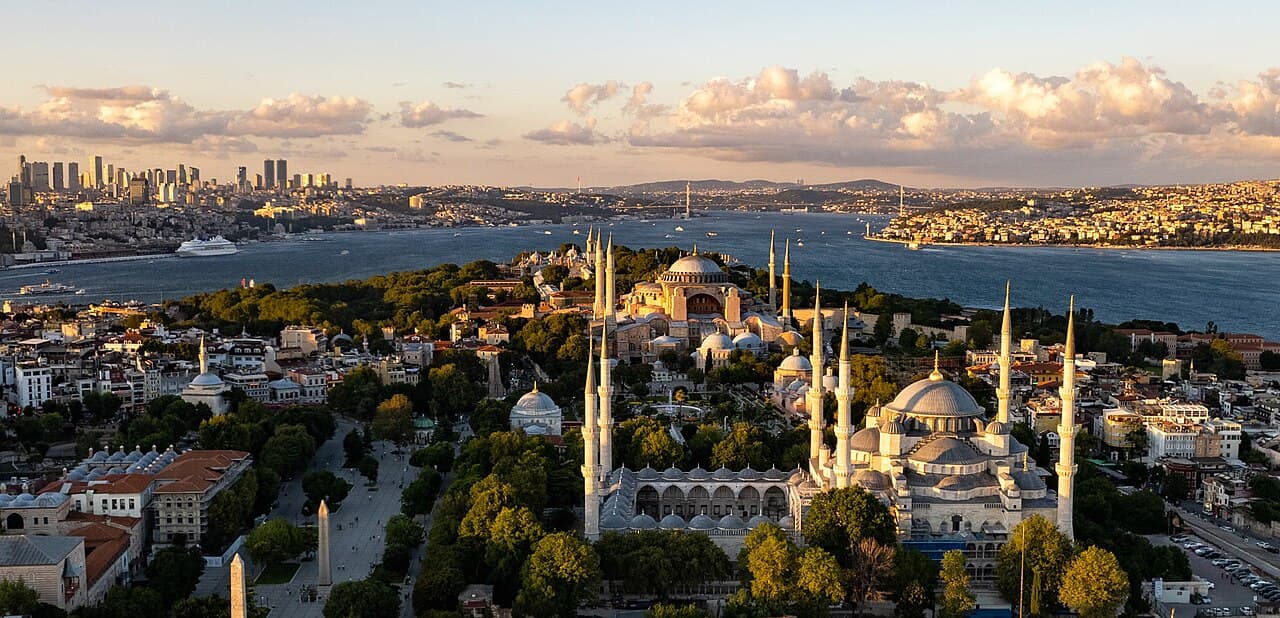
If you ask almost anyone considering a hair transplant where the procedure is best done, one answer comes up again and again: Turkiye. In little more than a decade, the country — and Istanbul in particular — has gone from being one option among many to being widely regarded as the world's leading destination for hair restoration, performing more procedures each year than any other country. That reputation did not appear by accident, and it does not rest on marketing alone.
This article tells the story of how Turkiye earned that position — the history, the drivers behind the boom, and what its leadership in technique and cost actually looks like. It also looks honestly at the downside of rapid growth and explains how a patient can tell a genuinely good clinic from a poor one.
From a Niche Procedure to a National Industry
Hair transplantation is not a new idea, but for most of its history it was an expensive, slow and often disappointing procedure carried out in a handful of Western clinics. The arrival of follicular unit extraction (FUE) in the 2000s changed everything. By removing individual follicular units rather than a strip of scalp, FUE made results far more natural and recovery far easier — and it suited a more efficient, team-based way of working.
Turkiye embraced this shift earlier and more enthusiastically than most. Over roughly the past fifteen years, surgeons, technicians and entrepreneurs built clinics specifically around high-volume FUE. Istanbul became the centre of gravity, and today the city is estimated to host hundreds of clinics dedicated to hair restoration. What began as a niche treatment had become, in effect, a national industry.
Why Clinics Clustered in Istanbul
One of the most powerful drivers of Turkiye's rise is something economists call clustering — when many businesses in the same field gather in one place and reinforce each other. Istanbul's concentration of clinics created several advantages:
- A deep talent pool: A large number of experienced surgeons and, crucially, highly trained technicians who perform thousands of graft placements between them.
- Shared infrastructure: Hotels, airport transfers, translators and aftercare services geared specifically towards medical visitors.
- Healthy competition: With so many providers in one city, clinics compete on quality, price and patient experience.
- Continuous refinement: High volume means techniques are practised and improved constantly rather than occasionally.
This cluster effect is difficult for other countries to replicate quickly, and it is a large part of why Turkiye's lead has proved durable rather than temporary.
Leadership in Technique
Trust in any medical field ultimately comes down to results, and results depend on technique. Turkish clinics have been at the forefront of refining and popularising the methods that now define modern hair restoration.
FUE and Sapphire FUE
FUE remains the foundation of most procedures. The widely used Sapphire FUE variation uses blades made from sapphire to open the recipient channels. Proponents suggest the smoother, finer incisions may support denser placement and tidy healing, though outcomes still depend heavily on the skill of the team rather than the tool alone.
DHI
Direct hair implantation (DHI) uses a specialised implanter pen to place each follicle directly, giving the surgeon precise control over the angle, direction and depth of every graft. It is often favoured for detailed hairline work. Many leading clinics offer all of these approaches and recommend the most suitable one for each individual rather than applying a single method to everyone.
The Cost Equation
Cost is the factor most people mention first, and it is genuinely significant. A hair transplant in Turkiye can cost up to around seventy per cent less than an equivalent procedure in the United Kingdom, the United States or much of Western Europe. This is not because corners are cut; it reflects lower overheads, favourable exchange rates and a competitive, high-volume market that spreads fixed costs.
In practice, the saving allows a patient to access an experienced, high-volume clinic at a price that would barely cover a consultation elsewhere. It does not mean the cheapest possible quote is the best choice — a point we return to below.
All-Inclusive Packages and Medical Tourism
Turkiye did not only compete on price and technique; it reimagined the patient experience. Most reputable clinics offer all-inclusive packages designed to remove the friction of travelling abroad for treatment. A typical package brings together:
- The procedure itself, including consultation and graft placement
- Accommodation in a partner hotel for the duration of the stay
- Airport and clinic transfers
- Translation and a dedicated patient coordinator
- Medication, aftercare products and follow-up support
This packaged model turned a daunting overseas medical trip into a manageable, well-supported journey, and it has been widely copied elsewhere. Broader forces helped too: Turkiye has actively promoted health tourism as part of its tourism strategy, and Istanbul's status as a major travel hub means many international visitors can fly in directly and affordably from Europe, the Middle East and beyond. Just as important has been word of mouth. Hair transplant results are, eventually, visible to everyone a patient meets, and social media amplified this enormously — recovery diaries shared online gave prospective patients a sense of transparency that traditional advertising never could, though such content should always be read critically.
What "Trust" Actually Rests On
It is tempting to assume Turkiye's reputation is simply about being cheap. In reality, the trust patients place in the best Turkish clinics rests on more substantial foundations:
- Volume and experience: High caseloads mean surgical teams have seen a vast range of hair types, loss patterns and challenges.
- Consistent results: A long track record of natural-looking outcomes, demonstrated through genuine before-and-after portfolios.
- Accreditation: Turkiye is home to dozens of internationally accredited hospitals, including facilities holding Joint Commission International (JCI) accreditation, alongside national health-ministry oversight of clinics.
- Aftercare: Structured follow-up that continues long after the patient has flown home.
Trust, in other words, is earned through accountability and repeatable quality — not promised through slogans.
The Honest Downside: Not Every Clinic Is Equal
Any account that ignored the risks would not be worth reading. Rapid growth and high demand inevitably attracted operators chasing volume over quality — sometimes described as "hair mills." In the worst cases, procedures are performed largely by unsupervised technicians, too many grafts are harvested from the donor area, and patients are processed quickly with little genuine oversight or follow-up. Poor results can be difficult and costly to correct.
This is not a reason to dismiss Turkiye — the leading clinics are excellent — but it is a reason to choose carefully. The difference between an outstanding outcome and a disappointing one is usually the clinic, not the country.
How to Tell a Trustworthy Clinic from a Poor One
The good news is that the warning signs and the green flags are reasonably easy to recognise once you know what to look for. When assessing any clinic, look for the following:
- Genuine surgeon involvement: A qualified surgeon should plan your hairline, oversee the procedure and be accountable for the result — not merely lend their name to it.
- Real, long-term portfolios: Ask for before-and-after photographs taken at twelve months or later, ideally of patients with hair loss similar to yours. Final results take a year or more to mature.
- Transparent, itemised pricing: A trustworthy clinic explains exactly what is and is not included. Be cautious of vague all-in figures or pressure to decide immediately.
- Independent reviews: Look beyond a clinic's own website to independent platforms and patient communities for a balanced picture.
- Accreditation and hygiene standards: Confirm the facility is properly licensed and meets recognised medical and sterilisation standards.
- Proper aftercare: Clear written instructions, accessible support and structured follow-up are signs of a clinic that stands behind its work.
A clinic that answers these questions openly and without pressure is showing you the very accountability that built Turkiye's reputation in the first place. As with any medical procedure, individual results vary, and no responsible clinic can guarantee a specific outcome.
Speak to Our Team for a Free, Personalised Assessment
Turkiye became the world's most trusted hair-transplant destination by combining experience, technique, value and genuine patient care — and the right clinic makes all the difference. If you would like to understand what is realistically achievable for you, send us your photos via live chat. Our medical team will provide a free analysis, a personalised treatment plan and transparent, itemised pricing, so you can make an informed decision with no obligation and no surprises.
Get Free Hair Analysis from Doctors in Turkey
Send your hair photos via live chat. Doctors will estimate grafts and cost for free.